
Consumer Warranty Disputes: Handling disputes over warranties
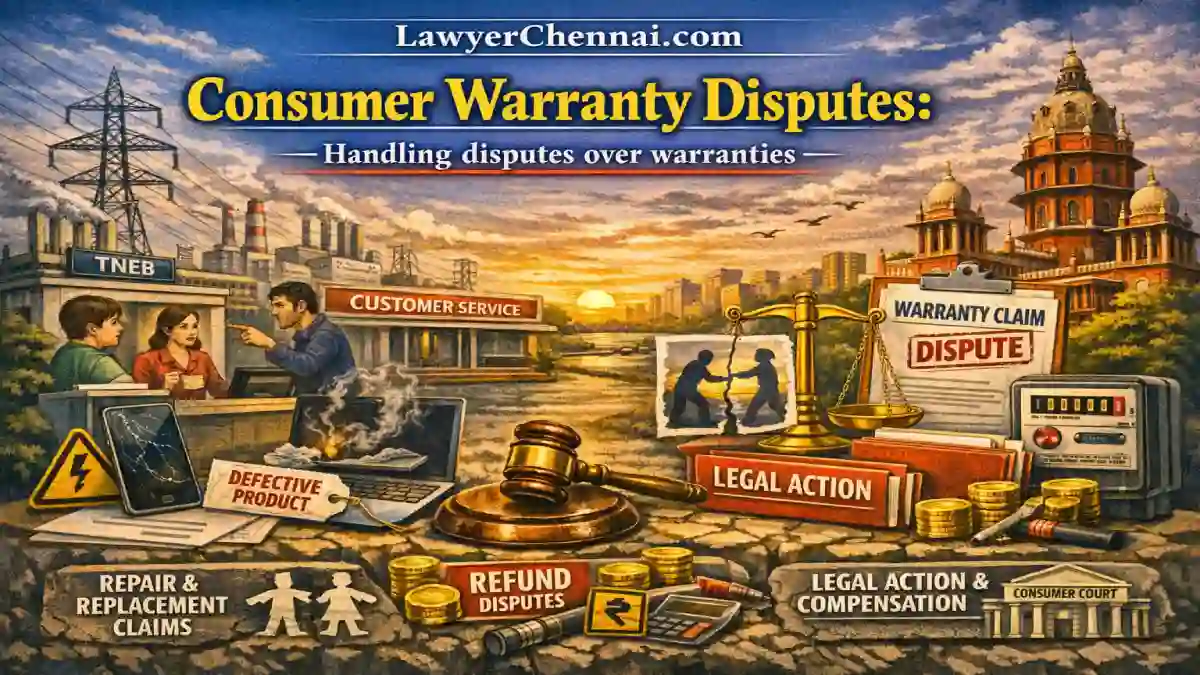
Consumer Warranty Disputes – Buying a product often brings a sense of satisfaction and trust. After all, when a company offers a warranty, it promises quality and reliability. However, things do not always go as expected. Many consumers face issues when products fail and companies refuse to honor warranty commitments. As a result, disputes over warranties have become increasingly common, especially in fast-growing cities like Chennai.
Therefore, it is important to understand how warranties work, what rights consumers have, and how to resolve disputes effectively. In this article, we explain everything in simple terms so that you can handle warranty-related issues with confidence.
Consumer Warranty Disputes: Handling Disputes Over Warranties – By LawyerChennai.com – Best Lawyer Firm in Chennai India 24×7
What Is a Warranty?
To begin with, a warranty is a written or implied assurance given by a manufacturer or seller regarding the quality and performance of a product. It usually promises repair, replacement, or refund if the product fails within a specified period.
There are generally two types of warranties:
- Express warranty (clearly stated in writing)
- Implied warranty (arises automatically under law)
In India, consumer rights relating to warranties are protected under the Consumer Protection Act, 2019. This law ensures that consumers are not left helpless when products turn out to be defective.
Common Types of Warranty Disputes
In practice, warranty disputes can arise in many ways. Let us look at some common situations.
1. Denial of Warranty Claims
Sometimes, companies refuse to honor warranty claims by citing vague reasons. For example, they may blame “improper usage” without proper proof.
2. Delayed Repairs or Replacement
Even when claims are accepted, companies may take an unreasonable amount of time to repair or replace products.
3. Partial Repairs Instead of Replacement
Consumers may expect a replacement, but companies offer repeated repairs instead.
4. Hidden Terms and Conditions
Certain warranty conditions are not clearly explained at the time of purchase. Later, companies rely on these hidden clauses to deny claims.
5. Warranty Void Claims
Companies may declare warranties void due to minor issues, even when the defect is unrelated.
Clearly, these issues can lead to frustration and financial loss.
Consumer Rights in Warranty Matters
Fortunately, the law provides strong protection to consumers. Under the Consumer Protection Act, 2019, consumers have several rights.
First, you have the right to receive goods that meet promised quality standards. If a product fails during the warranty period, you can demand repair, replacement, or refund.
Additionally, you have the right to:
- Clear information about warranty terms
- Fair and timely service
- Protection against unfair trade practices
Therefore, companies cannot arbitrarily deny valid warranty claims.
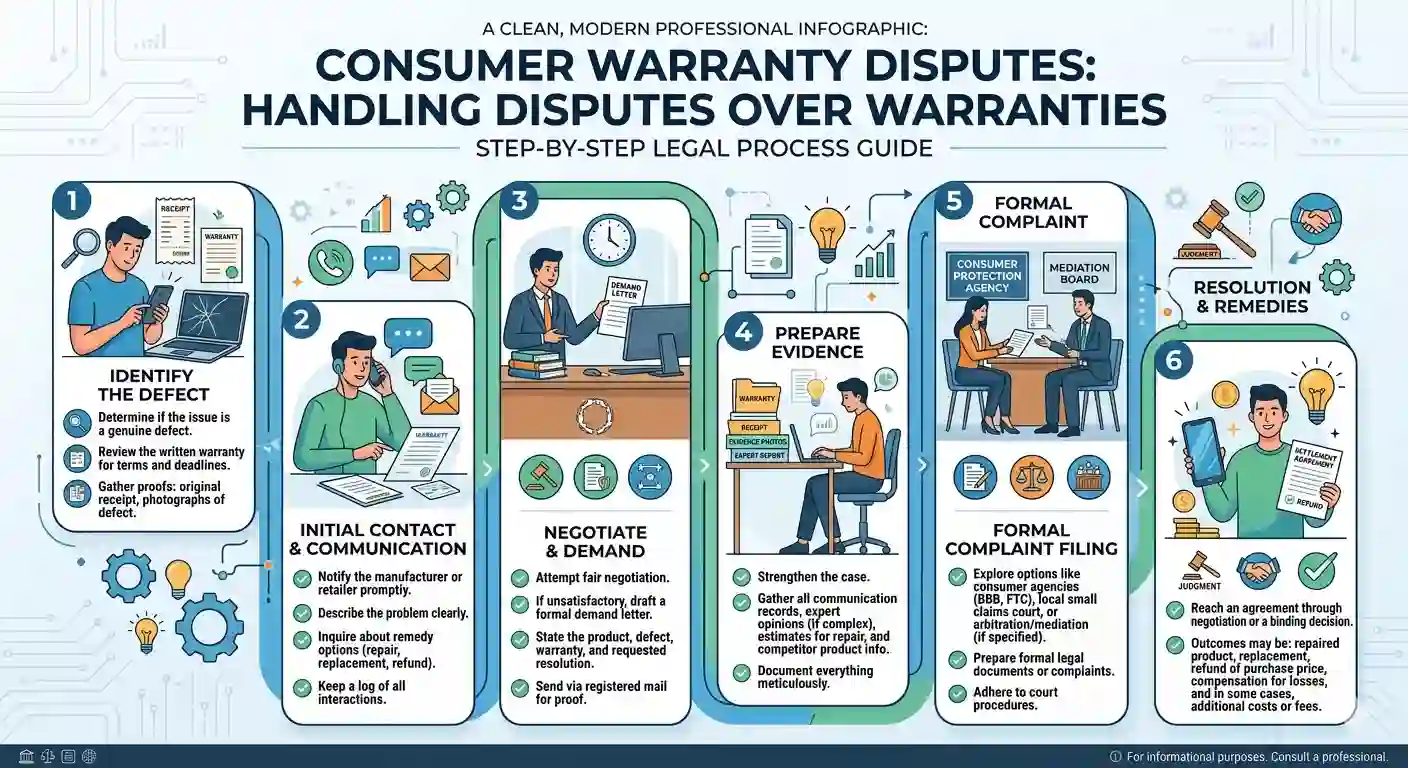
Steps to Take When Facing a Warranty Dispute
When a warranty issue arises, your approach plays a crucial role. Instead of reacting emotionally, follow a structured process.
Step 1: Review Warranty Terms
First, carefully read the warranty document. Understand what is covered and what is excluded.
Step 2: Contact the Seller or Manufacturer
Next, report the issue immediately. Provide details such as invoice, warranty card, and product information.
Step 3: Keep Written Records
Always communicate in writing through emails or messages. This helps in building evidence.
Step 4: Follow Up Regularly
If the company delays action, send reminders and maintain records of all interactions.
Step 5: Send a Legal Notice
If the issue remains unresolved, sending a legal notice can push the company to act.
Role of Legal Notice in Warranty Disputes
A legal notice is often the turning point in many disputes. It formally informs the company of your claim and your intention to take legal action if the issue is not resolved.
Moreover, a well-drafted legal notice:
- Clearly states your grievance
- Refers to legal provisions
- Sets a deadline for resolution
In many cases, companies respond positively once they receive a legal notice.
Filing a Consumer Complaint
If the company still does not resolve the issue, you can approach the consumer dispute redressal commission.
Under the Consumer Protection Act, 2019, consumers can file complaints for:
- Defective goods
- Deficiency in service
- Unfair trade practices
The process is relatively simple and can often be done online. Additionally, you may claim compensation for losses and mental distress.
Jurisdiction of Consumer Commissions
Consumer disputes are handled at different levels based on the value of the claim.
- District Commission → for lower-value claims
- State Commission → for higher-value claims
- National Commission → for significant disputes
Therefore, you can choose the appropriate forum depending on your case.
Importance of Evidence
Evidence is the backbone of any legal case. Without proper proof, even genuine claims may fail.
Therefore, always keep:
- Purchase invoice
- Warranty card
- Service reports
- Communication records
These documents help establish your claim and strengthen your case.
Challenges Faced by Consumers
Despite legal protections, consumers often face challenges.
For instance, companies may delay responses or use technical jargon to confuse customers. Additionally, many consumers are unaware of their rights and hesitate to take legal action.
However, with proper guidance and persistence, these challenges can be overcome.
Preventive Measures
While disputes cannot always be avoided, certain precautions can help.
- Buy products from authorized sellers
- Read warranty terms carefully before purchase
- Register products if required
- Keep all documents safely
- Avoid unauthorized repairs
By taking these steps, you reduce the chances of facing disputes.
How Businesses Handle Warranty Claims
It is also important to understand the company’s perspective. Businesses must manage large volumes of warranty claims and follow internal processes.
However, this does not justify unfair practices. Companies are legally bound to provide reasonable service and honor genuine claims.
How LawyerChennai.com Can Help
At LawyerChennai.com – Best Lawyer Firm in Chennai India 24×7, we understand the frustration caused by warranty disputes. Therefore, we provide comprehensive legal support to consumers.
We assist you in:
- Evaluating your warranty claim
- Drafting and sending legal notices
- Filing consumer complaints
- Representing you before consumer forums
Most importantly, we focus on achieving quick and effective resolutions.
Why Legal Support Matters
Many consumers try to resolve disputes on their own. While this may work in simple cases, complex disputes require legal expertise.
A legal professional can:
- Identify strong legal grounds
- Prepare proper documentation
- Negotiate effectively with companies
As a result, your chances of success increase significantly.
Frequently Asked Questions
A consumer warranty is a promise given by a manufacturer or seller that a product will perform as expected for a specific period. It usually covers repairs, replacement, or refund if the product is defective. However, coverage depends on the terms mentioned in the warranty document. Therefore, consumers should always read the conditions carefully before making a claim.
First, review the reason given for rejection and compare it with the warranty terms. If the rejection seems unfair, gather all supporting documents such as invoices, warranty cards, and communication records. Then, write a formal complaint to the company. If the issue is still not resolved, you can send a legal notice or approach the consumer forum for relief.
No, companies are expected to provide timely service under warranty. Unreasonable delays may amount to deficiency in service. In such cases, consumers have the right to demand faster resolution or even seek compensation. Therefore, it is important to keep records of all service requests and follow-ups.
Consumers can file a complaint under the Consumer Protection Act, 2019 for defective products or poor service. Remedies may include repair, replacement, refund, or compensation for losses and inconvenience. The complaint can be filed before the appropriate consumer commission based on the claim amount.
Consumers can reduce disputes by buying from authorized sellers, keeping all purchase documents safe, and understanding warranty terms clearly. Additionally, they should avoid unauthorized repairs and report issues promptly. Taking these steps helps in ensuring smoother claim processing and better protection of consumer rights.
Conclusion
Warranty disputes can be stressful, but they are not impossible to resolve. With the right knowledge and approach, you can protect your rights and hold companies accountable.
The Consumer Protection Act, 2019 provides a strong framework to address such issues. Therefore, do not hesitate to take action when your rights are violated.
If you are facing a warranty dispute in Chennai, professional legal support can make all the difference. With timely action and expert guidance, you can achieve a fair and satisfactory outcome.
Read More
- Public Law Challenges: Appealing public law decisions
- RTI & Grievance Redressal for CBIC Employees: DGHRD CBIC Service Law Guide 2026
- CBIC Civil List & Seniority Disputes 2026: Legal Remedies for IRS Officers
- Legal Support for Compassionate Job | Expert Guidance for Dependent Employment Rights
- 7th CPC Recruitment Rules Amendments CBIC 2026: Complete Legal Overview
- National Consumer Helpline (Government of India)