Urban Planning Disputes: Appealing urban planning decisions
Urban Planning Disputes – Urban planning decisions significantly affect property ownership, development rights, and commercial investments. Therefore, affected individuals, companies, builders, NGOs, and NRIs should understand available appellate remedies promptly. Planning disputes commonly involve building permissions, zoning regulations, layout approvals, land use changes, road widening, and development restrictions. Early legal consultation minimizes financial risks and project delays. Authorities must generally act according to statutory provisions and established planning regulations. LawyerChennai.com – Best Lawyer Firm in Chennai India 24×7 provides strategic legal support for planning disputes across Tamil Nadu. Timely legal action strengthens opportunities for successful appeals before competent authorities and courts.
Urban Planning Disputes: Appealing Urban Planning Decisions – LawyerChennai.com
Important advantages include:
- Property rights protection.
- Regulatory compliance.
- Faster dispute resolution.
- Development approvals.
- Investment security.
- Litigation management.
- Documentation review.
- Appellate representation.
Legal Framework Governing Urban Planning Decisions
Urban planning disputes arise under Central, State, and local development laws. Additionally, planning authorities examine zoning regulations, master plans, building rules, environmental requirements, and statutory permissions. Relevant laws may include the Tamil Nadu Town and Country Planning Act, 1971, Transfer of Property Act, 1882, Code of Civil Procedure, 1908 (CPC), Bharatiya Nyaya Sanhita, 2023 (BNS), Bharatiya Nagarik Suraksha Sanhita, 2023 (BNSS), and Bharatiya Sakshya Adhiniyam, 2023 (BSA) wherever applicable. Judicial review depends upon statutory compliance, procedural fairness, and available evidence. Legal advice improves documentation and strengthens appellate submissions. Important authorities include:
| Authority | Primary Responsibility |
|---|---|
| CMDA | Metropolitan planning approvals |
| DTCP | Planning permissions |
| Local Planning Authority | Development control |
| Municipal Corporation | Building approvals |
Key Considerations Before Filing Urban Planning Appeals
Conduct Comprehensive Legal Review Before Challenging Decisions
Careful legal analysis strengthens every appeal against adverse planning decisions. Consequently, applicants should examine approval orders, rejection notices, planning permissions, site records, title documents, and statutory communications thoroughly. Lawyers verify compliance with planning laws, development control regulations, zoning restrictions, and procedural requirements. Supporting evidence significantly improves appellate outcomes before competent authorities. Technical reports and survey records also strengthen legal submissions where appropriate. LawyerChennai.com – Best Lawyer Firm in Chennai India 24×7 provides comprehensive legal review before initiating appellate proceedings. Standard legal review includes:
- Approval orders.
- Rejection notices.
- Title documents.
- Survey records.
- Planning permissions.
- Zoning verification.
- Technical reports.
- Statutory compliance.
Appeal Procedures for Challenging Urban Planning Decisions
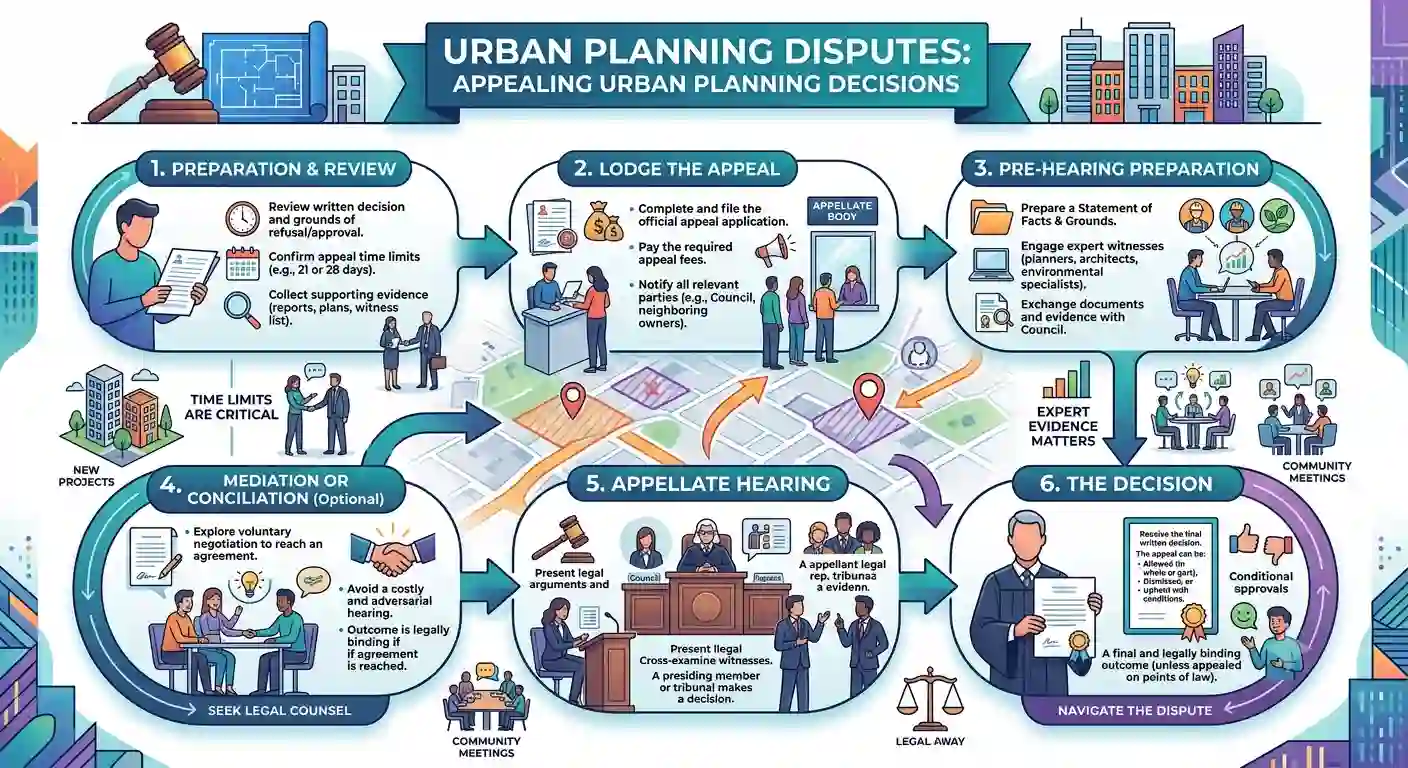
Urban planning appeals require strict compliance with statutory timelines and procedural requirements. Therefore, applicants should file appeals promptly before the competent appellate authority. Every appeal should clearly explain factual circumstances, legal grounds, and procedural irregularities. Supporting documents strengthen claims regarding planning permissions, zoning compliance, and development rights. Authorities carefully examine approved plans, inspection reports, revenue records, and applicable planning regulations. Additionally, legal representation improves the quality of written submissions and oral arguments. LawyerChennai.com – Best Lawyer Firm in Chennai India 24×7 prepares appeals, replies, objections, and supporting documentation professionally. Typical appeal process includes:
- Legal consultation.
- Document review.
- Appeal drafting.
- Evidence compilation.
- Statutory filing.
- Personal hearing.
- Appellate order.
- Judicial challenge where necessary.
Common Urban Planning Disputes and Legal Issues
Urban planning disputes frequently arise from building permission refusals, unauthorized construction allegations, zoning conflicts, and land use restrictions. Moreover, property owners often challenge demolition notices, development charges, road alignment decisions, and planning condition violations. Boundary disputes, setback issues, environmental objections, and master plan interpretations also create litigation. Developers should verify statutory approvals before commencing construction activities. Prompt legal advice reduces project delays and protects investment interests effectively. Common legal issues include:
- Building permit rejection.
- Layout approval disputes.
- Zoning conflicts.
- Demolition notices.
- Setback violations.
- Land use changes.
- Encroachment allegations.
- Development charge disputes.
Forums, Courts, Authorities and Available Legal Remedies
Urban planning disputes proceed before competent planning authorities, appellate bodies, and constitutional courts according to applicable laws. Consequently, affected parties should pursue statutory remedies before seeking judicial review whenever required. Matters may involve the Chennai Metropolitan Development Authority, Directorate of Town and Country Planning, Local Planning Authorities, Municipal Corporations, District Authorities, High Courts, and other competent forums. Complaints involving forgery, criminal trespass, document fabrication, or unlawful obstruction may require reporting before the jurisdictional police station where legally appropriate. Relevant procedural provisions may include the Code of Civil Procedure, 1908 (CPC), Bharatiya Nyaya Sanhita, 2023 (BNS), Bharatiya Nagarik Suraksha Sanhita, 2023 (BNSS), and Bharatiya Sakshya Adhiniyam, 2023 (BSA). Available remedies include statutory appeals, review petitions, injunctions, declarations, writ petitions, compensation where legally maintainable, mediation, negotiated settlements, and compliance regularization wherever permissible.
Best Practices for Avoiding Urban Planning Disputes
Property owners and developers should prioritize statutory compliance before commencing any development activity. Therefore, every project should undergo legal due diligence and technical verification. Approved plans, planning permissions, title documents, and revenue records require periodic review. Timely renewals and compliance with development conditions reduce future disputes significantly. Owners should maintain complete records of approvals, inspections, correspondence, and statutory payments. Additionally, professional legal advice helps address regulatory concerns before enforcement action begins. LawyerChennai.com – Best Lawyer Firm in Chennai India 24×7 provides proactive legal assistance for planning compliance, appeals, and dispute prevention. Recommended compliance measures include:
- Verify title documents.
- Obtain planning approvals.
- Follow zoning regulations.
- Maintain statutory records.
- Preserve correspondence.
- Conduct legal audits.
- Monitor compliance deadlines.
- Seek timely legal advice.
Why Choose LawyerChennai.com – Best Lawyer Firm in Chennai India 24×7
LawyerChennai.com – Best Lawyer Firm in Chennai India 24×7 delivers comprehensive legal solutions for urban planning disputes and appellate proceedings. Additionally, experienced lawyers represent individuals, companies, developers, NGOs, housing societies, and NRIs before planning authorities and courts. Every case receives detailed legal evaluation supported by statutory research and practical strategies. The firm prepares appeals, objections, replies, writ petitions, and supporting documentation carefully. Lawyers also represent clients before CMDA, DTCP, Local Planning Authorities, Municipal Corporations, Civil Courts, and the High Court. Strategic legal guidance minimizes project delays while protecting valuable property rights. Professional representation strengthens compliance and promotes successful resolution through litigation, negotiation, or mediation.
Frequently Asked Questions
1. Who can appeal an urban planning decision?
Property owners, developers, companies, NGOs, housing societies, and NRIs may appeal eligible planning decisions before the competent appellate authority.
2. What documents are required for a planning appeal?
Applicants generally require planning orders, title documents, approved plans, survey records, correspondence, technical reports, and supporting statutory documents.
3. Which authorities handle urban planning disputes?
CMDA, DTCP, Local Planning Authorities, Municipal Corporations, appellate authorities, Civil Courts, and High Courts handle different planning disputes.
4. What legal remedies are available against adverse planning decisions?
Available remedies include statutory appeals, review applications, injunctions, declarations, writ petitions, compensation where maintainable, mediation, and settlements.
5. Can demolition or rejection orders be challenged?
Yes. Eligible parties may challenge such orders through statutory appeals, judicial review, or other remedies available under applicable planning laws.
6. How can LawyerChennai.com – Best Lawyer Firm in Chennai India 24×7 assist?
The firm provides legal consultation, document review, appeal drafting, court representation, compliance advice, writ petitions, and comprehensive planning dispute resolution.
Read More
- Rural Land Disputes: Handling disputes in rural land matters
- Real Estate Ownership Disputes: Appealing property ownership issues
- Writs for Compensation: Seeking compensation through writs
- Corporate Governance Disputes: Appealing governance-related matters
- Legal Heirship Disputes: Appealing disputes over heirship
- Town and Country Planning Organisation (TCPO), Ministry of Housing and Urban Affairs