Rights of Women in Divorce Cases in Chennai
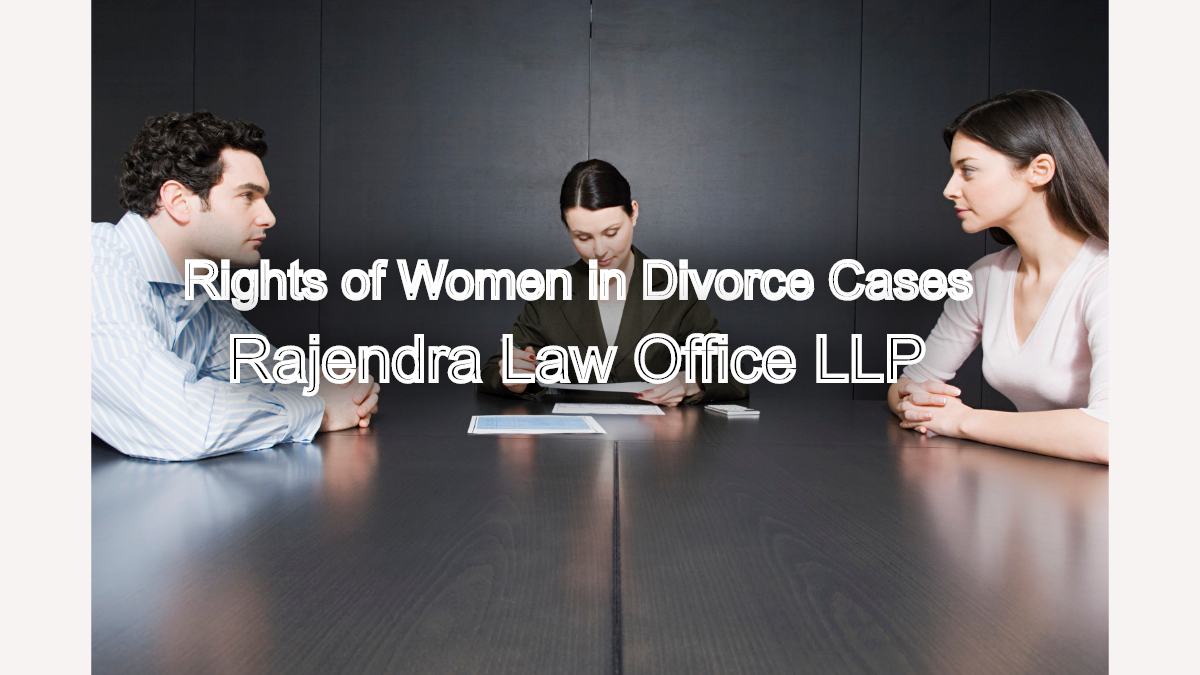
Rights of Women in Divorce: Marriage is a sacred bond. It represents a union of two individuals. Sometimes, however, marriages face insurmountable challenges. They might unfortunately break down. Divorce then becomes a necessary, albeit difficult, path. In India, divorce laws are complex. They are deeply intertwined with personal laws. These laws vary based on religion. Importantly, Indian law strives for gender equality. It provides significant rights to women in divorce proceedings. These rights protect their financial security. They safeguard their well-being. They also ensure their children’s future. Here at LawyerChennai.com – Best Lawyer Firm in Chennai, we understand these intricate legal frameworks. We are committed to upholding the rights of women. We provide compassionate and expert legal representation in divorce cases.
Rights of Women in Divorce Cases in Chennai: LawyerChennai.com
Understanding Divorce Laws in India
Firstly, it is essential to grasp the diverse legal landscape. Divorce in India is not governed by a single, uniform law. Instead, it falls under various personal laws. These laws depend on the religious affiliation of the parties involved.
1. Hindu Marriage Act, 1955: Generally, this Act governs divorce for Hindus, Buddhists, Jains, and Sikhs. It provides specific grounds for divorce. It also outlines procedures.
2. Muslim Personal Law (Shariat) Application Act, 1937, and Dissolution of Muslim Marriages Act, 1939: Moreover, these Acts govern divorce for Muslims. Muslim women have specific rights under these laws.
3. Indian Christian Marriage Act, 1872, and Indian Divorce Act, 1869: Furthermore, Christians seek divorce under these statutes.
4. Parsi Marriage and Divorce Act, 1936: Additionally, Parsis are governed by this specific Act.
5. Special Marriage Act, 1954: Lastly, this Act provides for civil marriages. It allows divorce for inter-faith couples. It also applies to couples who choose to register their marriage under this Act.
Therefore, the specific rights and procedures for a woman in a divorce case will depend on the personal law applicable to her marriage. Understanding which law applies is the first crucial step.
Grounds for Divorce Available to Women
Crucially, Indian law provides various grounds for divorce. Many of these grounds are available to both parties. However, some are specifically available to women.
Common Grounds (available to both):
- Cruelty: This includes physical or mental cruelty. It makes living together impossible.
- Desertion: One spouse abandons the other for a specified period (typically two years or more).
- Adultery: One spouse engages in voluntary sexual intercourse outside of marriage.
- Conversion: One spouse converts to another religion.
- Unsound Mind/Mental Disorder: One spouse suffers from an incurable mental disorder.
- Leprosy/Venereal Disease: One spouse suffers from a virulent and incurable form of these diseases.
- Renunciation of the World: One spouse renounces the world by entering a religious order.
- Presumption of Death: One spouse has not been heard of for seven years or more.
Specific Grounds for Women (under Hindu Marriage Act, for example):
- Bigamy: The husband has another wife living. This first marriage remains undissolved.
- Rape, Sodomy, or Bestiality: The husband has been guilty of these offenses.
- Decree of Maintenance: The wife has obtained a decree or order for maintenance. The cohabitation has not resumed for one year or more after such a decree.
- Marriage Before Attaining 15 Years of Age: The marriage was solemnized before the wife attained 15 years of age. She has repudiated the marriage after attaining 15 but before attaining 18 years of age.
Understanding these grounds is essential. It helps a woman determine her legal standing. It shapes her divorce petition strategy.
Maintenance and Alimony Rights for Women
Subsequently, financial security is a paramount concern for women in divorce. Indian law provides strong provisions for maintenance and alimony. These aim to prevent destitution. They ensure women can maintain a reasonable standard of living.
1. Interim Maintenance (Maintenance Pendente Lite): Generally, a woman can seek interim maintenance. This is granted during the pendency of the divorce proceedings. It covers her living expenses. It also covers her litigation costs. This is crucial for women who are financially dependent. Section 24 of the Hindu Marriage Act allows this. Similar provisions exist in other personal laws.
2. Permanent Alimony and Maintenance: Moreover, after the divorce is finalized, a woman can claim permanent alimony or maintenance. This can be a fixed monthly payment. It might be a one-time lump sum amount. The court considers various factors. These include the husband’s income and property. It considers the wife’s earning capacity. It looks at the standard of living of the parties. Assesses the duration of the marriage. It also evaluates the conduct of both parties. Section 25 of the Hindu Marriage Act governs this. The Code of Criminal Procedure (CrPC), 1973 (Section 125) also provides for maintenance. This applies to wives, children, and parents. It is a secular provision.
3. Streedhan: Furthermore, a woman has an absolute right over her Streedhan. This refers to gifts received by her before, during, or after marriage. It includes gifts from her parents, in-laws, or husband. It is her exclusive property. She can claim it back during divorce proceedings. It cannot be part of marital assets for division.
Therefore, these provisions ensure financial justice for women. They prevent them from being left vulnerable after divorce.
Child Custody and Visitation Rights
Crucially, children’s welfare is paramount in divorce cases. Indian courts prioritize the best interests of the child. Both parents have rights regarding custody and visitation. However, the mother often has an edge, especially for young children.
1. Child Custody: Generally, custody can be sole custody (one parent has primary responsibility). It can be joint custody (both parents share responsibility). Can be physical custody (where the child lives). It can be legal custody (decision-making power). For children below five years, the mother usually gets custody. This is unless there are compelling reasons otherwise. The court considers the child’s age, gender, health, and preference (if mature enough). It also looks at the financial capacity of each parent. It assesses the moral character of each parent.
2. Visitation Rights: Moreover, the non-custodial parent typically receives visitation rights. This allows them to spend time with the child. This ensures the child maintains a relationship with both parents. The court sets visitation schedules. These schedules are designed to serve the child’s best interests.
3. Child Support/Maintenance: Furthermore, both parents have a legal obligation to support their children. The non-custodial parent usually pays child support. This covers the child’s living, education, and medical expenses. The amount depends on the parents’ financial status. It considers the child’s needs.
Thus, these provisions aim to minimize the impact of divorce on children. They ensure their continued well-being.
Property Rights of Women in Divorce
Subsequently, women’s rights regarding matrimonial property are complex. They vary based on the specific law and circumstances.
1. Jointly Acquired Property: Generally, property acquired jointly during the marriage is often subject to equitable distribution. Courts consider each spouse’s contribution. This includes financial and non-financial contributions (e.g., homemaking, childcare). There is no specific law for universal community property in India.
2. Self-Acquired Property: Moreover, property acquired by a spouse before marriage or through gifts/inheritance generally remains their separate property. It is not typically divided in divorce.
3. Matrimonial Home: Furthermore, the matrimonial home is a significant asset. A wife often has a right to reside in the matrimonial home. This right exists even if it is in the husband’s name. This right is derived from her right to reside. It exists until alternative arrangements are made. This often happens as part of maintenance or property settlement. The Protection of Women from Domestic Violence Act, 2005, also reinforces this right.
Therefore, understanding these property aspects is crucial for women. It helps them claim their rightful share.
Protection Against Domestic Violence
Crucially, safety is paramount. The Protection of Women from Domestic Violence Act, 2005 (DV Act), provides significant protection. This Act is a civil remedy. It is available to any woman in a domestic relationship. It protects against physical, emotional, verbal, economic, and sexual abuse. A woman can seek various reliefs under this Act.
1. Protection Orders: These orders prevent the abuser from committing further acts of violence.
2. Residence Orders: These orders grant the woman the right to reside in the matrimonial home. They can also secure alternative accommodation.
3. Monetary Relief: This includes maintenance for the aggrieved person and her children.
4. Custody Orders: The court can grant temporary custody of children.
This Act provides immediate relief. It safeguards women during the often volatile period of marital breakdown. Operates independently of divorce proceedings. It offers an additional layer of protection.
The Role of LawyerChennai.com
Navigating divorce proceedings is emotionally taxing. It is legally intricate. Women often face unique challenges. They might experience financial vulnerability. They might also endure emotional distress. Expert legal representation is indispensable. It ensures all rights are protected. It secures a just outcome.
At LawyerChennai.com – Best Lawyer Firm in Chennai, we specialize in family law. Our team of experienced lawyers understands the nuances of various personal laws. We provide empathetic and strategic legal counsel. We assist women in filing divorce petitions. Represent them in maintenance and alimony claims. We fight for fair child custody arrangements. Ensure their property rights are upheld. We also guide them in seeking protection under the DV Act. Are available to provide comprehensive legal services. We help women regain control over their lives. We ensure their dignity and security are preserved.
FAQs: Women’s Rights in Divorce (Chennai)
Women in Chennai can seek divorce under various personal laws (like the Hindu Marriage Act, 1955, or the Dissolution of Muslim Marriages Act, 1939), depending on their religion. Common grounds include cruelty (physical or mental), desertion, and adultery.
Yes, a woman has a legal right to financial support, known as maintenance or alimony, to ensure her financial security post-divorce. Interim maintenance (maintenance pendente lite) is granted during the ongoing divorce proceedings to cover living and litigation expenses.
In Chennai, courts prioritize the best interests of the child when deciding child custody. While both parents have rights, mothers often receive physical custody, especially for young children (typically below five years).
The Protection of Women from Domestic Violence Act, 2005 (DV Act), provides crucial safeguards against various forms of abuse (physical, emotional, economic, sexual) within a domestic relationship. A woman can seek immediate relief under this Act, including protection orders, residence orders (to reside in the matrimonial home), and monetary relief (maintenance).
While there isn’t a universal community property law in India, courts can order equitable distribution of jointly acquired property during divorce, considering both financial and non-financial contributions. Self-acquired property usually remains separate. Significantly, a woman has absolute ownership over her Streedhan, which refers to all gifts received by her before, during, or after marriage.
Conclusion
In conclusion, divorce can be a challenging journey. However, Indian law provides robust rights for women. These rights span various crucial aspects. They cover grounds for seeking divorce. They ensure financial security through maintenance and alimony. Safeguard children’s welfare through custody and support. They also include protection against domestic violence. Understanding these rights empowers women. It enables them to navigate the divorce process with strength and confidence. LawyerChennai.com – Best Lawyer Firm in Chennai is your dedicated legal partner. We are committed to upholding justice. We protect the rights of women in divorce cases. Provide expert legal representation. We ensure a secure future. Therefore, if you are considering divorce or are currently in the process, seek our expert legal guidance. We are here to support you.
Read More
- Family Property Disputes: Legal Solutions in Chennai
- How Criminal Lawyers Build a Defense Strategy in Chennai
- Legal Compliance in Commercial Transactions: What Every Company Must Know
- Child Custody Battles: Chennai Family Court Insights
- HS Code Confusion? Here’s How to Legally Resolve Customs Classification Issues
- National Commission for Women (NCW):