Navigating ESIC SPREE 2025: Compliance Opportunities Amid India’s New Criminal Laws
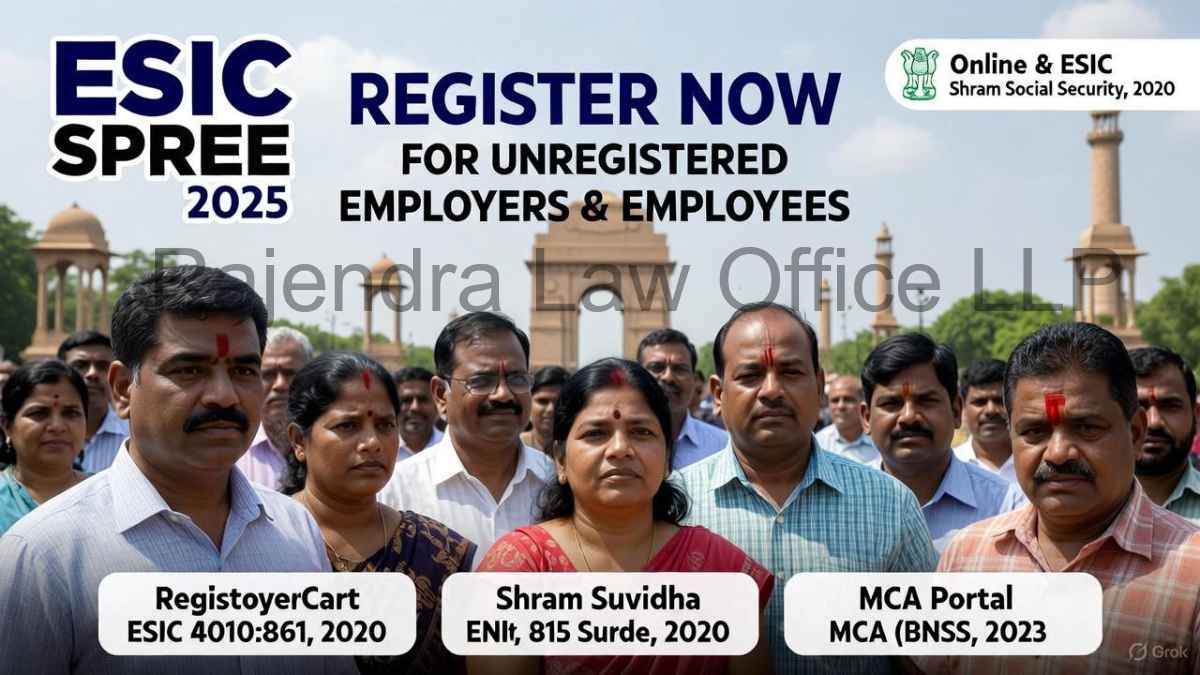
Employees’ State Insurance Corporation launched SPREE 2025 as a special drive. It targets unregistered employers and incomplete employee registrations. This initiative runs from July 1 to December 31, 2025. Employers can register without past contributions or penalties. Additionally, no legal actions occur for prior periods. The objective expands social security coverage under the ESI Act. Employers in factories or establishments with ten or more persons benefit. These include shops, hotels, cinemas, transport firms, and private institutions. Furthermore, it covers casual employees in municipal bodies. Registration happens online via ESIC, Shram Suvidha, or MCA portals. No records or inspections for past periods apply. Therefore, employers gain hassle-free compliance. Employees access medical and cash benefits from registration date. They also get college seat reservations under IP scheme. Coverage starts on the employer-specified date. Thus, this opportunity secures workforce futures.
Introduction to ESIC SPREE 2025
The ESI Act addresses labor welfare issues. Non-compliance leads to legal challenges in criminal forums. However, SPREE offers amnesty. Jurisdictions involve ESI Courts for disputes. Criminal cases go to Magistrate Courts. Departments like Ministry of Labour oversee enforcement. Remedies include benefits claims and appeals. Bullet points highlight key features:
- Online registration avoids past liabilities.
- No penalties for prior non-compliance.
- Benefits start immediately for employees.
- Covers diverse establishments across India.
Numbered list of eligible establishments:
- Factories with 10+ employees.
- Shops and hotels.
- Cinema halls and transport firms.
- Newspaper and medical institutions.
- Educational and municipal casual workers.
This initiative aligns with modern legal reforms. It reduces burdens in new criminal frameworks. Consequently, employers should act before December 31, 2025. The current date emphasizes urgency. Overall, SPREE promotes inclusive social security.
Legal Issues in ESI Compliance
ESI Act violations create multiple legal problems. Employers face charges for non-registration. They also risk penalties for unpaid contributions. Additionally, false returns lead to fraud claims. Employees suffer without benefits in accidents. Courts handle these as criminal matters. Therefore, understanding issues prevents litigation. Jurisdictions span states under ESI rules. Tribunals like Employees’ Insurance Court resolve disputes. Forums include regional ESIC offices for initial claims. Departments such as Labour Ministry enforce compliance. Remedies involve backdated registrations via SPREE. Appeals go to High Courts if needed. However, criminal prosecution applies for willful defaults.
Common legal issues arise from oversight. For example, small firms ignore thresholds. Larger ones miss employee updates. Thus, audits reveal gaps. Criminal aspects trigger under Section 85 ESI Act. This includes imprisonment up to one year. Fines reach five lakh rupees for repeat offences. Moreover, sextortion or exploitation in workplaces ties to BNS provisions. Jurisdictions limit cases to local Magistrates. Tribunals focus on civil benefits claims. Forums like CGIT handle related labor disputes. Departments investigate through inspectors. Remedies list includes compensation payments. Victims claim medical reimbursements. Employers seek amnesty under SPREE. Bullet points on types of legal issues:
- Non-registration of eligible establishments.
- Failure to deposit employee contributions.
- Submission of false information or returns.
- Denial of benefits to injured workers.
- Exploitation leading to criminal charges.
Numbered list of jurisdictions:
- Magistrate Courts for criminal prosecutions.
- Employees’ Insurance Courts for benefit disputes.
- Central Government Industrial Tribunals for appeals.
- High Courts for writ petitions.
- Supreme Court for final resolutions.
- ESIC regional offices for administrative remedies.
Transition words enhance flow. For instance, however, compliance avoids these issues. Additionally, SPREE waives past faults. Therefore, employers register promptly. Overall, awareness mitigates risks effectively.
Jurisdictions, Courts, and Tribunals in ESI Matters
ESI disputes involve specific jurisdictions. Cases start in regional ESIC offices. They escalate to specialized courts. Criminal violations go to Magistrate Courts. These handle prosecutions under ESI Act. Tribunals like Employees’ Insurance Court decide benefits. Forums include appellate authorities for reviews. Departments such as ESIC enforce rules nationwide. Ministry of Labour oversees policy. Remedies encompass appeals and revisions. High Courts entertain writs for violations. Supreme Court resolves constitutional issues. Therefore, structure ensures fair resolutions.
Jurisdictions vary by state. For example, Tamil Nadu has Chennai regional office. It manages SPREE registrations. Courts apply BNSS for procedures. This replaces CrPC with modern rules. Tribunals focus on civil aspects. Forums allow informal hearings. Departments investigate complaints swiftly. Remedies include interim reliefs. Parties appeal unsatisfactory orders. Bullet points on courts and tribunals:
- Magistrate Courts: Handle criminal non-compliance cases.
- Employees’ Insurance Courts: Adjudicate benefit disputes.
- Central Government Industrial Tribunals: Review labor-related appeals.
- High Courts: Oversee writ petitions under Article 226.
- Supreme Court: Address appeals under Article 136.
Numbered list of departments and forums:
- ESIC: Administers scheme and registrations.
- Ministry of Labour: Formulates policies and guidelines.
- Regional Labour Commissioners: Oversee enforcement.
- Appellate Authorities: Review initial decisions.
- Conciliation Officers: Mediate disputes before courts.
- Inspection Wings: Conduct audits for compliance.
However, new laws like BNSS change procedures. For instance, arrest rules protect Older people. Courts now use audio-video means. Tribunals adapt to digital filings. Departments update portals for efficiency. Remedies expand with community service options. Additionally, SPREE simplifies initial steps. Thus, system supports quick justice.
Departments Involved and Remedies Under ESI Act
Ministry of Labour leads ESI implementation. It coordinates with ESIC headquarters. Regional offices handle local registrations. They process SPREE applications. Inspectors investigate violations. Therefore, departments ensure compliance. Legal issues include benefit denials. Jurisdictions cover state-level forums. Courts prosecute defaults. Tribunals resolve claims. Remedies feature compensation awards. Appeals challenge adverse orders. However, SPREE offers unique amnesty.
Departments play key roles in enforcement. ESIC manages funds and benefits. Labour Ministry drafts regulations. State governments notify areas. Central boards oversee policies. Additionally, inspectors conduct surprise checks. Legal issues arise from misclassification. Jurisdictions limit to notified regions. Courts impose fines for defaults. Tribunals award sickness benefits. Forums mediate employer-employee disputes. Remedies list includes maternity payments. Injured workers claim disability pensions. Employers remedy past lapses via SPREE. Bullet points on departments:
- Ministry of Labour & Employment: Policy formulation.
- ESIC: Scheme administration and registrations.
- Regional Directors: Local oversight and inspections.
- Medical Boards: Benefit assessments.
- Appellate Authorities: Review decisions.
Numbered list of remedies:
- Registration without penalties under SPREE.
- Claims for medical treatment and cash benefits.
- Appeals to Insurance Courts for denials.
- Writ petitions in High Courts for violations.
- Compensation for wrongful terminations.
- Revisions in tribunals for procedural errors.
Transition words aid understanding. For example, however, delays harm employees. Additionally, departments facilitate quick resolutions. Therefore, SPREE encourages timely action. Overall, remedies protect rights effectively.
Impact of New Criminal Procedure Code (BNSS) on ESI Prosecutions
BNSS replaces CrPC with updated rules. It affects ESI violation prosecutions. For instance, definitions include audio-video means. Arrest procedures add safeguards for Older people. Therefore, minor offences require DSP permission. Courts omit metropolitan Magistrates. Sessions Judges gain powers. Departments adapt to digital filings. Legal issues in ESI now follow BNSS timelines. Jurisdictions remain with Magistrates. Tribunals handle civil parts. Remedies like bail use new bonds. However, changes promote efficiency.
BNSS introduces community service punishments. This applies to ESI defaults. Sentences increase for multiple offences. Police gain tools for investigations. Additionally, electronic communications count as evidence. Legal issues like false returns face stricter probes. Jurisdictions exclude assistant sessions Judges. Courts emphasize speedy trials. Forums adopt video conferencing. Departments like ESIC update protocols. Remedies include anticipatory bail changes. Bullet points on key BNSS changes:
- New arrest rules protect infirm persons.
- Directorate of Prosecution strengthened.
- Sentences extend to twenty years max.
- Handcuff guidelines for serious offenders.
- Digital evidence integration enhanced.
Numbered list of impacts on ESI cases:
- Faster investigations with timelines.
- Bail bonds replace sureties in minor cases.
- Community service for non-payment offences.
- Video recording of statements mandatory.
- Appeals streamlined without delays.
- Prosecution notices within 14 days.
Transition words clarify effects. For example, however, stricter rules deter violations. Additionally, SPREE avoids prosecutions. Therefore, employers benefit greatly. Overall, BNSS modernizes ESI enforcement.
Substantive Changes in BNS and Remedies for Related Offences
BNS replaces IPC with modern provisions. It impacts offences linked to ESI fraud. For example, cheating definitions expand digitally. Punishments add community service. Therefore, non-compliance cases gain options. Legal issues include dishonest misappropriation. Jurisdictions involve criminal courts. Tribunals focus on benefits. Departments prosecute under BNS. Remedies feature commutation of sentences. However, BNS broadens gender neutrality.
BNS adds child definitions explicitly. This affects ESI family benefits. Offences like organized crime tie to large defaults. Additionally, fines increase across sections. Legal issues in forgery apply to false returns. Jurisdictions remain pan-India. Courts impose higher penalties. Forums allow pleas for leniency. Departments like police investigate. Remedies list includes appeals. Victims seek compensation. Bullet points on BNS changes:
- Community service as new punishment.
- Gender inclusion with transgender.
- Higher fines for economic offences.
- Digital records in definitions.
- Organized crime provisions added.
Numbered list of remedies under BNS:
- Sentence commutation by government.
- Appeals to higher courts.
- Probation for first-time offenders.
- Compensation to victims.
- Revision petitions for errors.
- Mercy petitions in death cases.
Transition words improve readability. For instance, however, BNS emphasizes reform. Additionally, it aligns with ESI goals. Therefore, compliance prevents issues. Overall, BNS supports fair remedies.
Conclusion: Embracing Compliance and Reforms
SPREE 2025 offers timely relief. Employers avoid past liabilities. Employees gain security benefits. New laws like BNSS and BNS enhance processes. Therefore, compliance becomes easier. Legal issues decrease with registration. Jurisdictions streamline cases. Courts apply modern rules. Tribunals resolve disputes quickly. Departments promote awareness. Remedies expand options. However, deadlines approach soon. Act now for protection.
Reforms modernize justice delivery. BNSS adds digital tools. BNS increases punishments wisely. Additionally, community service humanizes penalties. Legal issues in labor tie to criminal codes. Jurisdictions cover all states. Courts ensure speedy trials. Tribunals focus on welfare. Forums mediate effectively. Departments enforce strictly. Remedies include amnesties like SPREE. Bullet points on benefits:
- Peace of mind for employers.
- Secure futures for families.
- Reduced litigation risks.
- Enhanced social coverage.
- Alignment with new laws.
Numbered list of actions:
- Visit ESIC portal for registration.
- Use Shram Suvidha for help.
- Consult law firms for guidance.
- Update employee details promptly.
- Monitor deadlines closely.
- Leverage SPREE before end.
Transition words guide readers. For example, however, delays cost dearly. Additionally, reforms aid all. Therefore, embrace changes today. Overall, SPREE and new laws foster better compliance.
Read More
- Corruption cases: Find the Best Advocates in Chennai
- Tribunals making an appointment without determining the term of office: SC to the Center.
- Employment and Service Law
- Government Employee Benefits Vs Private Company Employee Benefits
- Maritime & Admiralty Law
- How to File a Successful Criminal Appeal in the Supreme Court
- ESIC Regional Office, Chennai | Employee’s State Insurance …