High Court Case Filing Procedure in Chennai Explained
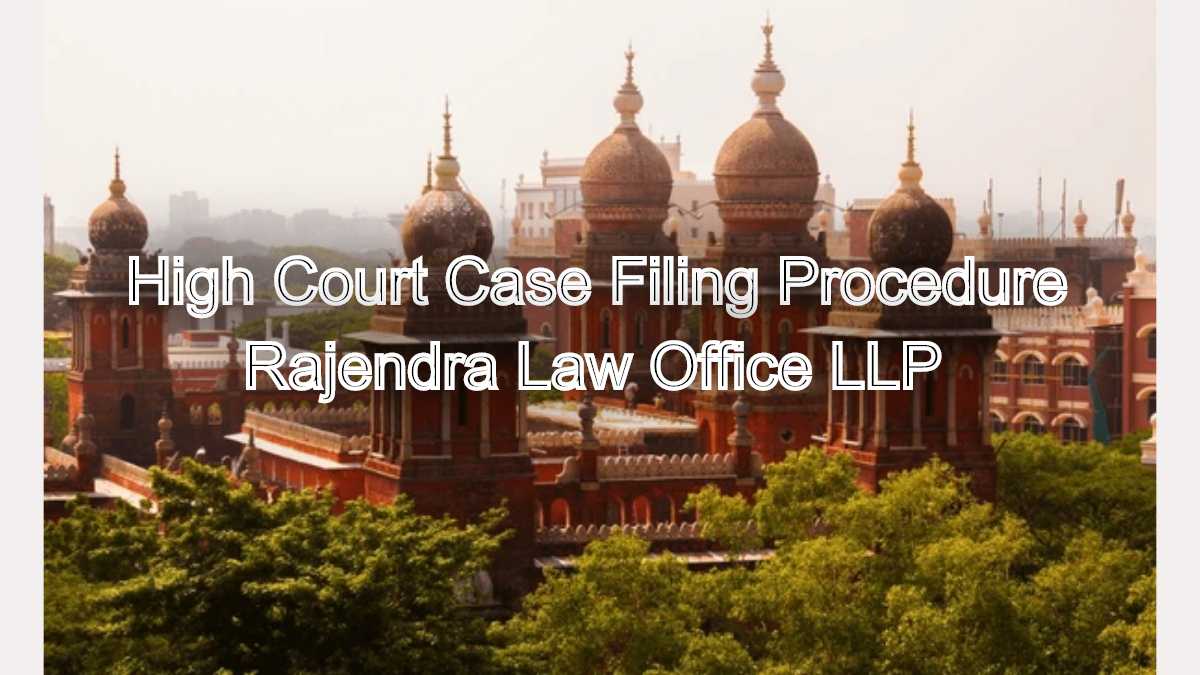
High Court Case Filing Procedure: The Madras High Court is one of the most respected judicial institutions in India. It is a powerful forum for seeking justice. It hears a wide range of legal matters. These include civil, criminal, and constitutional cases. However, the process of filing a case in the High Court is a formal one. It requires a clear understanding of legal procedures. Therefore, it is essential to have expert guidance. LawyerChennai.com is one of the best lawyer firms in Chennai. We specialize in high court litigation. We guide our clients through every step. Ensure their case is filed correctly. This article explains the case filing procedure. It outlines the key steps and legal terms involved. It will help you understand this complex process.
Your Guide to Justice: Filing a Case in the Madras High Court
The Preliminary Steps: Consultation and Preparation
First and foremost, the process begins with a detailed legal consultation. You must consult with an expert lawyer. They will assess the merits of your case. They will also determine the appropriate legal remedy. This is a crucial step. A strong case has a solid foundation. Our lawyers at LawyerChennai.com meticulously review all facts and documents. We will determine the correct jurisdiction. We will also identify the relevant laws and legal precedents. This preliminary work is vital. It lays the groundwork for a successful legal challenge.
The Art of Drafting the Petition
The next step is drafting the legal document. This document is called a “plaint” in a civil case. It is a “petition” in a writ case. It is an “appeal” in an appellate matter. The document must be drafted with precision. It must state the facts of the case clearly and concisely. Must also list the legal grounds for relief. It must, furthermore, state the specific remedy you are seeking. We, as expert lawyers, ensure that the petition is comprehensive and error-free. Use appropriate legal terms and citations. We follow the prescribed format of the Madras High Court. This meticulous drafting is crucial. It directly impacts the case’s outcome.
The Supporting Documents: Building the Evidentiary Record
A case is only as strong as its evidence. Therefore, you must submit all relevant documents. These documents are called “exhibits.” They include agreements, correspondence, and official records. You must also file an affidavit. An affidavit is a sworn statement of facts. It verifies the truthfulness of the information in your petition. Our team helps you gather and organize all these documents. We ensure that every document is properly authenticated. We, consequently, create a complete and compelling evidentiary record. This record will be the basis of your legal arguments.
The Filing Procedure: From Paper to the Registry
The actual filing takes place at the High Court Registry. The registry is the administrative wing of the court. It receives all legal documents. The filing procedure is now increasingly digital. Many courts use an “e-filing” system. You must submit your petition and documents along with the required court fee. The court fee depends on the nature and value of the case. The registry staff scrutinizes the documents. They check for any defects or procedural errors. This is called “scrutiny.” If there are any objections, they must be rectified. After clearance, the registry assigns a unique case number. This number is your case’s identity. It is used for all future references. We handle this entire process for you. We, therefore, ensure a smooth and efficient filing.
The Initial Hearing: Admitting the Case
After filing, the case is listed for an initial hearing. This is a very important stage. The court will hear your advocate’s arguments. The advocate must convince the judge that a prima facie case exists. A prima facie case is one that appears valid on its face. The court will also decide if the case has merit. If the judge is satisfied, they will “admit” the case. They will then issue a “summons” or “notice” to the opposing party. This notice informs the other side about the case. It asks them to appear in court. If the case is not admitted, it may be dismissed. Therefore, this hearing requires strong and persuasive advocacy.
The Subsequent Stages: Trial and Judgment
The formal legal battle begins once the court admits the case. The opposing party, or “respondent,” files a “written statement.” This is their response to your petition. Both sides then engage in a process called “discovery.” They exchange documents and information. The court may then frame legal issues for a trial. The trial involves examining witnesses and presenting evidence. After the trial, the court hears the final arguments. It then delivers its “judgment” or “order.” The judgment is the court’s final decision. It may grant the remedy you sought. Alternatively, it may dismiss your case. If you are dissatisfied, you can file an “appeal.”
Frequently Asked Questions
The Madras High Court has both original and appellate jurisdiction. Original jurisdiction means it can hear certain cases directly, such as writs under Article 226 of the Constitution.
The process begins with a lawyer drafting a legal document, which could be a plaint, petition, or appeal, depending on the case.
The initial hearing is the first time the court reviews your case. Your advocate presents arguments to convince the judge that a prima facie case exists and that the matter has merit. If the judge is satisfied, they admit the case.
A writ petition is a powerful legal instrument filed directly in the High Court under Article 226 of the Constitution. You use it to enforce your fundamental rights or to challenge an arbitrary or illegal action by a government authority.
You must pay mandatory court fees to file a legal proceeding. The fee amount varies.
Conclusion
In conclusion, filing a case in the Madras High Court is a detailed and intricate process. It requires more than just legal knowledge. It demands strategic planning, meticulous drafting, and persuasive advocacy. LawyerChennai.com has a team of experienced lawyers. We specialize in all aspects of high court litigation. We guide our clients through every procedural and legal challenge. commit to excellence. Are your trusted legal partners. We will work tirelessly to secure your justice. We will handle your case with the utmost care and professionalism.
Read More
- NRI Property Management: Legal Assistance in Chennai
- Cross-Border Commercial Transactions: Legal Considerations in India
- Trusted Legal Advisors in Chennai for Every Case: Criminal, Civil, Corporate & More Across India
- Top 5 Reasons for Trademark Rejection in India
- Legal Advice for Startups in Chennai: What You Need to Know
- Madras High Court (Official Website):